Atlanta, Georgia · Fulton and DeKalb
Water damage restoration in Atlanta
Water on the floor, a stain spreading across the ceiling, sewage coming up a drain. Call and you will be connected with an independent restoration contractor who works in Atlanta.
This line is a referral service. The contractor you speak with quotes and does the work.
- Independent local contractors
- No obligation to hire
- Water, sewage, fire and mold
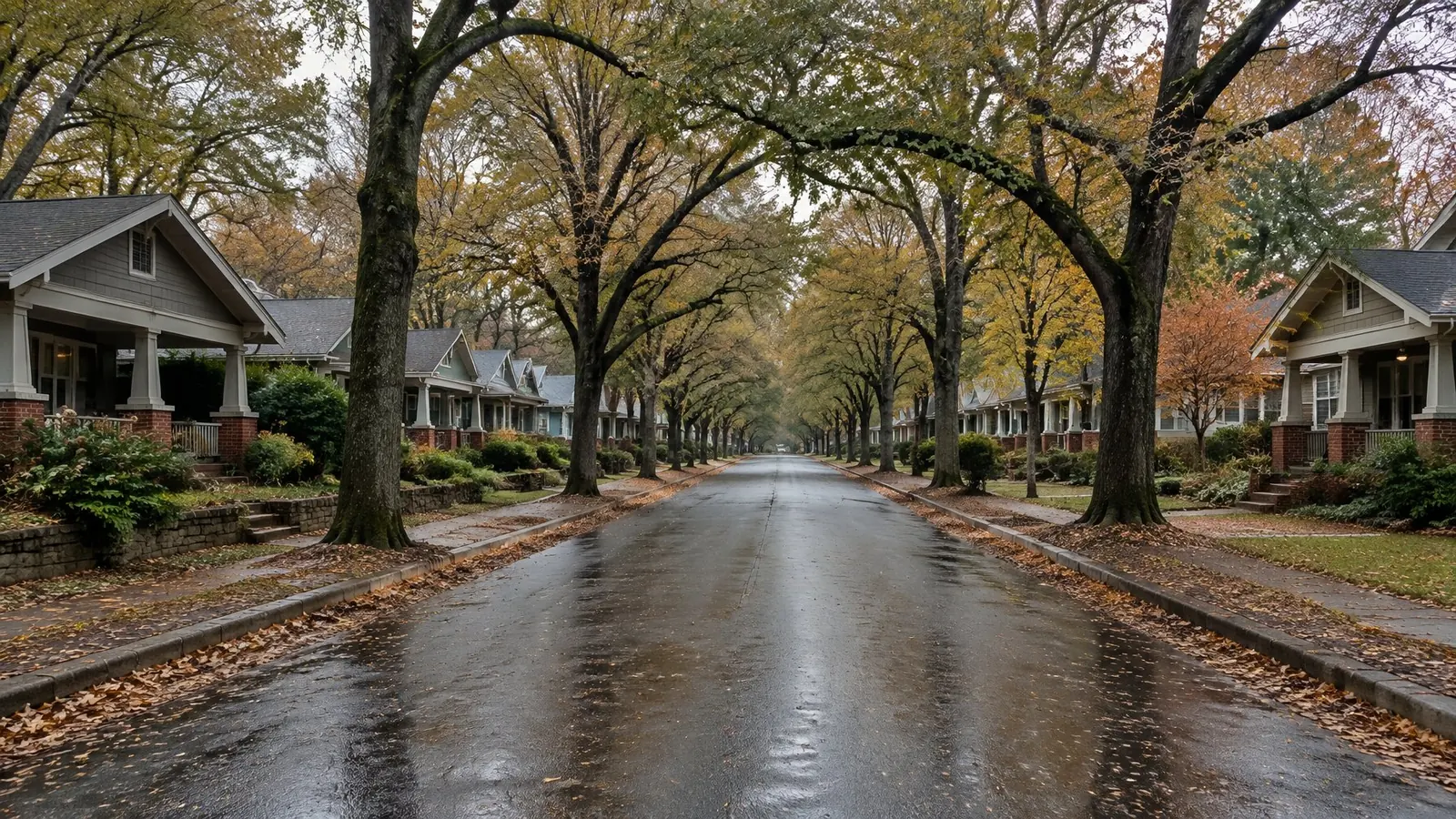
Start here
What happened, and what to do right now
Find your situation on the left. The right-hand column is what helps most before anyone arrives.
Water damage restoration
Close the main water valve if the source is a pipe or fixture. Move rugs and furniture off the wet floor and take photos before anything is thrown out.
DetailsWater extraction and drying
Stay out of standing water near outlets or cords. Open interior doors and run the home's air conditioning if it is safe to do so.
DetailsBurst and frozen pipes
Shut off the main valve, open a faucet to drain the lines, and call a plumber for the pipe itself. Keep heat on in the house.
DetailsFlooded basement or crawl space
Don't wade in if water is near the electrical panel or appliances. Note where the water came in: wall, floor drain or pipe.
DetailsSewage backup cleanup
Stop running water and flushing. Keep children and pets out, and report sewage in the street or yard to the sewer utility.
DetailsStorm and roof leak damage
Put buckets under drips and move belongings. Stay out from under sagging ceilings and away from downed wires.
DetailsAppliance and water heater leaks
Turn off the valve behind the appliance or the main. For a gas water heater, turn the gas control to off or pilot.
DetailsFire and smoke damage
Only go back in once the fire department says it is safe. Don't wipe soot off walls or run the HVAC system.
DetailsMold remediation
Find and stop the moisture source. Don't scrub or dry-brush large patches, and keep the area closed off.
DetailsHow a call works
One number, an independent contractor on the other end
When you call, you are routed to an independent restoration company that serves your part of metro Atlanta. You describe the damage, they ask questions and, if it makes sense, they arrange a visit.
That company inspects, explains what it would do and gives you its own price. You decide whether to hire them. This site does not do restoration work, does not take payment from you and does not set prices.
More about the arrangement on how it works and in the referral disclosure.
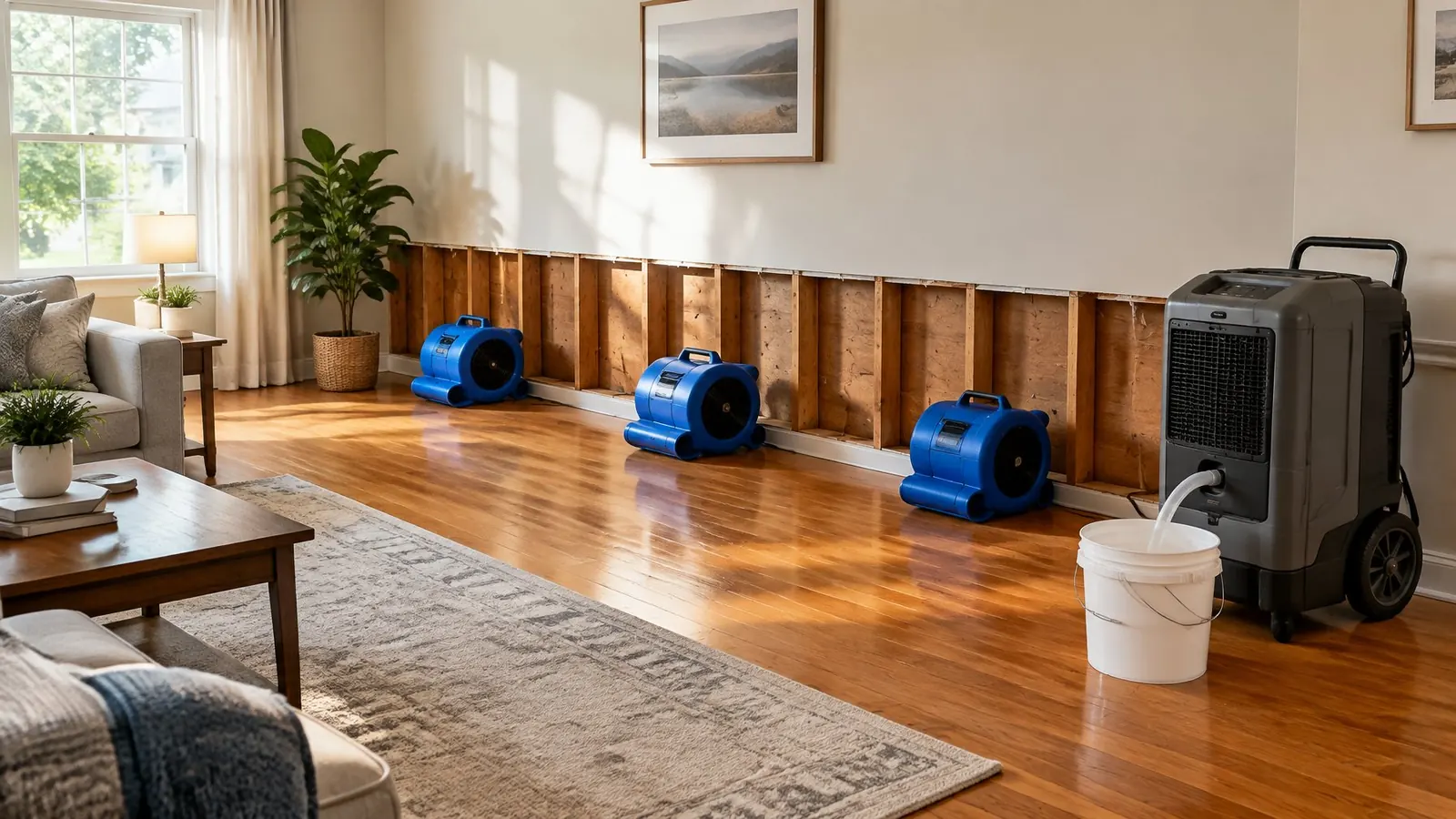
Stop the water
Close the main shut-off valve or the valve behind the fixture. If water is near outlets or the panel, keep out of it.
Photograph it
Wide shots and close-ups of every wet room, before anything is moved or thrown out.
Lift what you can
Move rugs, electronics, papers and furniture off wet floors. Put foil under furniture legs.
Start drying
Call a restoration contractor. The EPA says drying within 24 to 48 hours helps prevent mold.
Local knowledge
Atlanta facts that matter after a leak
Taken from the City of Atlanta's own pages. Links under each point.
The meter is the dividing line
The city's water department is responsible for the service line from the main to the meter. From the meter to the house, the line belongs to the property owner.
Source: City of Atlanta DWM
Clear or cloudy?
A leak that runs clear and smells of chlorine is likely from the water system; cloudy water that smells of sewage is likely a sewer leak. Both are reported to 404-546-0311.
Creeks in pipes still flood
In many of Atlanta's urban areas, old streams and creeks were forced into pipes as the city grew. The city warns that the floodplains around them can still behave as if the creek were there.
Grease and backups
The water department says grease poured down drains hardens inside pipes, that grease-blocked pipes are a growing cause of overflows, and that sewer backups can damage homes.
Cost
What moves the price of a restoration job
No two jobs are priced alike. These are the things a contractor will look at.
How far the water spread
Square footage matters, but so does height: water wicking up drywall, or running between floors, adds rooms and materials to the job.
What kind of water
Clean supply water can often be dried in place. Sewage or outside flood water usually means removing and disposing of more material, with protective gear.
Materials and access
Hardwood, plaster, finished basements and crawl spaces take longer than vinyl and open framing. Days of equipment and the rebuild afterwards add up.
Areas
Atlanta and the cities next door
Calls from these cities reach contractors that work there too. Each page lists the local water, sewer and permit contacts. See all service areas.
Questions
Before you call
Who will I be talking to?
An independent restoration contractor that serves Atlanta. This site routes the call; it is not part of their company.
Do I have to hire whoever answers?
No. You can ask questions, get their price and decide later, or call someone else.
Can I just ask questions?
Yes. Talking to the contractor commits you to nothing. Any work, and its price, is agreed between you and them.
Can they deal with my insurance company?
Ask them. Some contractors are used to working with insurers; this site does not handle claims. The Georgia insurance guide here explains the basics.
Water where it should not be?
Get an Atlanta restoration contractor on the line
The sooner wet materials start drying, the less there usually is to tear out. One call puts you through to an independent contractor who can look at the damage, explain the work and give you their own price.
Speak with a restoration contractor
Your call is routed to an independent water, fire and mold restoration contractor that takes jobs in metro Atlanta. Describe the damage and ask what they would do first.
Call (678) 649-1321Calls may be recorded. How referrals work: disclosure. How call data is handled: privacy.